
Columns and Fountain Pack – High-Quality and Great Architectural Low-Poly 3D Assets
High-quality low-poly 3D pack featuring architectural columns and decorative fountains, designed for game development, architectural…
View model →3D MODEL
ABOUT THIS MODEL
High-Detail COVID-19 Virus 3D Model – SARS-CoV-2 Medical & Scientific Visualization Asset
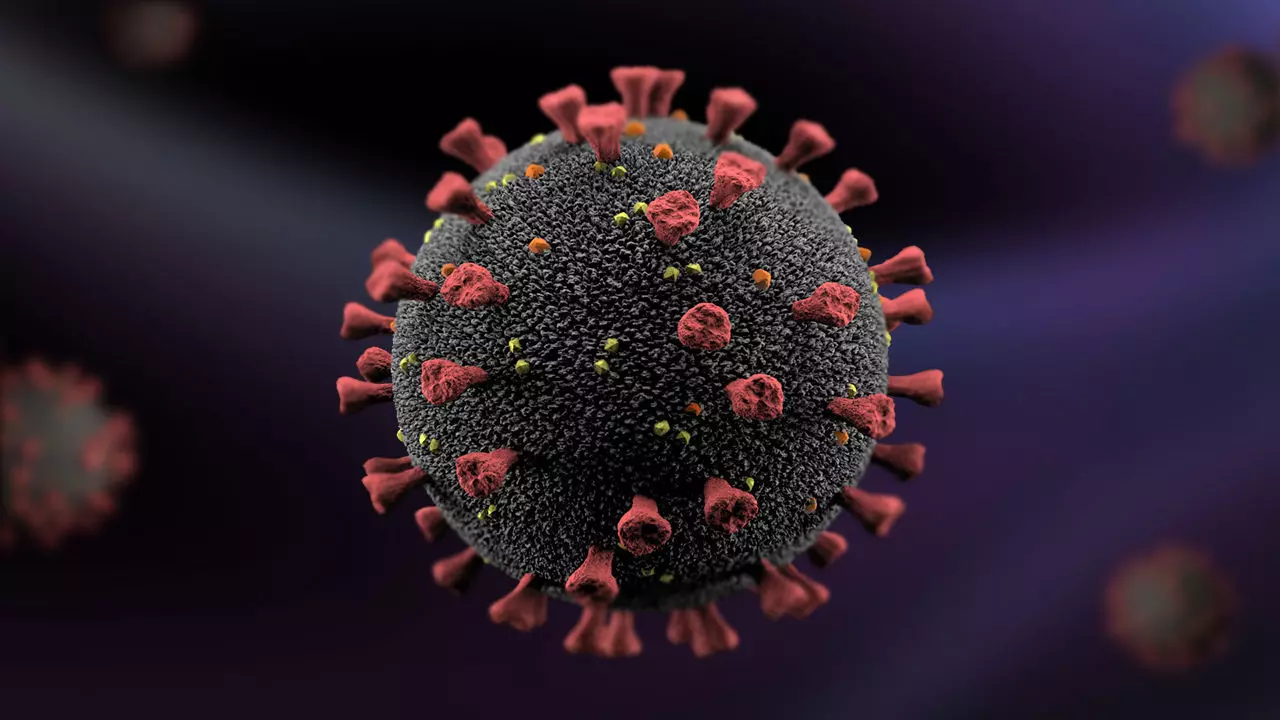
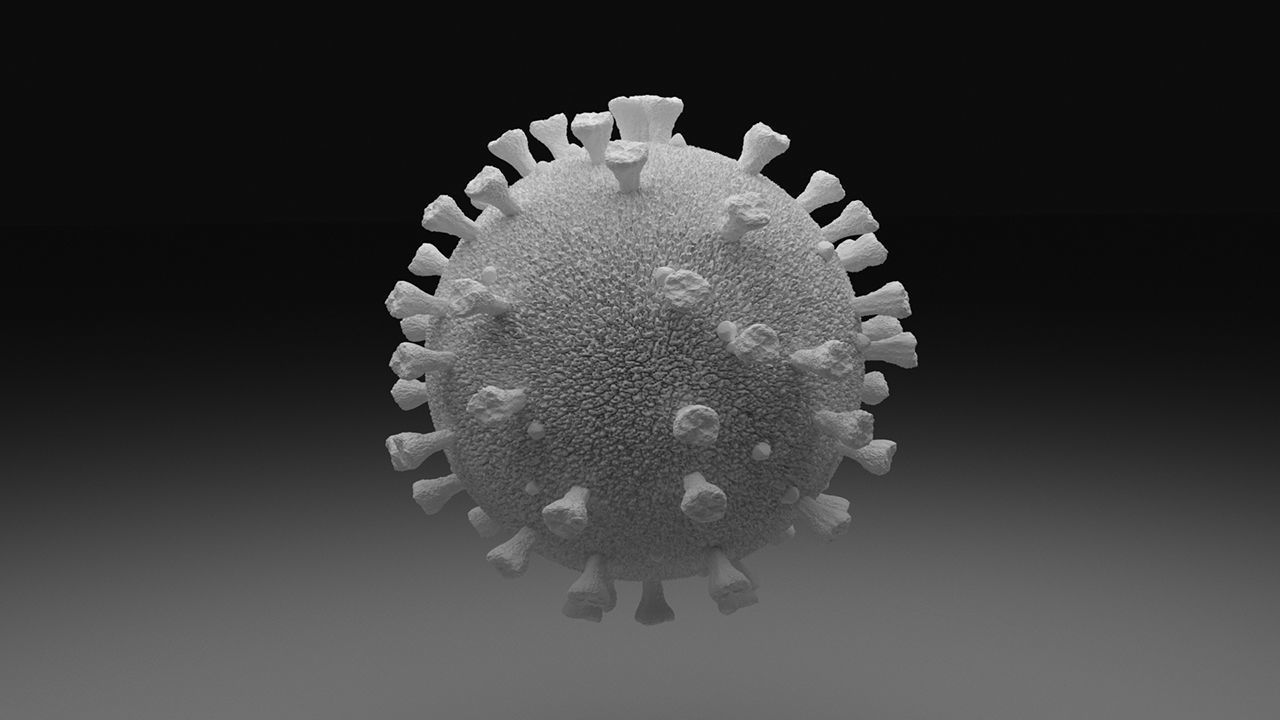
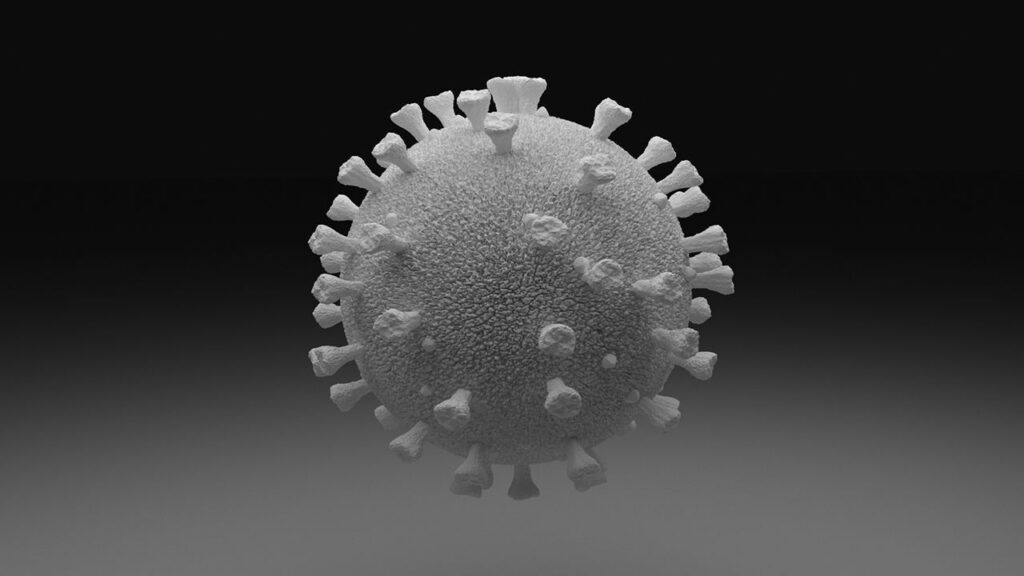
Visualize the microscopic world with this High-Detail COVID-19 Virus 3D Model, a digital asset designed for medical visualization, scientific communication, biology education, animation, 3D rendering and digital content creation.
Inspired by the characteristic spherical appearance and surface structures commonly associated with SARS-CoV-2, the virus responsible for COVID-19, this detailed 3D model can be used to create compelling visual representations of viral particles and microscopic environments.
The distinctive visual appearance of SARS-CoV-2 has become one of the most recognizable representations of a virus in modern scientific communication. As a result, a detailed COVID-19 3D model can be useful for educational graphics, medical animations, scientific presentations, documentaries, editorial illustrations and other projects where a recognizable representation of a viral particle is required.
Its detailed presentation makes it suitable for projects where the virus needs to remain visually prominent and recognizable, whether it is presented as an isolated object or incorporated into a larger microscopic composition.
The model represents a visual interpretation of SARS-CoV-2, providing a three-dimensional subject that can be incorporated into a variety of scientific and educational projects.
The spherical viral form and characteristic surface structures provide recognizable visual cues that can help audiences understand that the subject represents a coronavirus particle.
The model can be used in:
For educators and science communicators, a 3D representation can provide an engaging visual element when discussing viruses, viral particles and microbiology.
For artists and animators, the model can serve as a detailed microscopic subject for motion graphics, scientific-themed compositions and digital scenes.
The COVID-19 pandemic created an unprecedented demand for clear and recognizable scientific imagery.
Visual representations of SARS-CoV-2 have consequently become widely used in educational material, news graphics, documentaries, presentations and public science communication.
This COVID-19 virus 3D model can be incorporated into such visual projects when a three-dimensional representation of a coronavirus particle is required.
It can be presented as a standalone object, repeated to represent multiple viral particles or incorporated into a larger microscopic environment.
Artists can also experiment with camera angles, depth of field, lighting and surrounding elements to create different visual compositions.
Medical visualization often relies on carefully designed visual assets to communicate concepts that cannot be directly observed with the naked eye.
A virus is inherently microscopic, making three-dimensional visualization particularly useful when creating educational or explanatory material.
This SARS-CoV-2 3D model can provide a recognizable visual representation that can be integrated into medical and scientific scenes.
Potential applications include:
The model can be combined with typography, diagrams, particles, microscopic environments and additional scientific imagery to create a broader educational composition.
One of the strongest potential applications for this asset is science communication.
Complex biological subjects can be difficult to communicate using text alone. A carefully composed 3D visualization can help audiences understand the general appearance and context of a microscopic subject.
The model can therefore be used as a visual component within presentations, educational videos, online articles, classroom material or other forms of science communication.
For example, an educator could use the model as an illustration when introducing coronavirus structure or discussing the general concept of viral particles.
The model can also be incorporated into animations in which the camera moves around a representation of the viral particle, providing different perspectives of the subject.
The distinctive appearance associated with SARS-CoV-2 makes this asset particularly recognizable in educational contexts.
A COVID-19 virus 3D model can be used to introduce or support discussions concerning viruses, coronavirus particles, microbiology and virology.
It can appear in digital presentations, educational animations or scientific illustrations alongside explanatory text and diagrams.
For students and general audiences, a visual representation can make abstract microscopic concepts easier to discuss.
However, the model should be treated as a visualization asset rather than a substitute for scientific documentation or validated structural data.
The model is intended to provide a visually detailed representation of a viral particle.
A higher level of visual detail can be particularly useful when the model is rendered relatively close to the camera or used as a prominent element within a composition.
For 3D artists, this provides opportunities to create detailed renders, close-up compositions and cinematic scientific imagery.
Lighting can be used to emphasize the surface structures of the particle, while different camera perspectives can create visual depth and variety.
The final appearance will depend on the rendering software, materials, lighting setup, camera configuration and any additional processing applied by the artist.
This COVID-19 3D model can be incorporated into a wide range of rendering workflows.
Artists can create standalone product-style renders, microscopic environments or more elaborate scientific compositions.
For example, the model could be presented against a clean background for an educational illustration, surrounded by additional particles for a microscopic scene, or incorporated into a cinematic scientific visualization.
The asset can also be combined with typography and graphic-design elements for editorial or educational applications.
The model can serve as a subject for medical animation and scientific motion graphics.
A three-dimensional virus can be animated through camera movements, object rotations or other visual techniques supported by the chosen software.
This can create dynamic educational sequences in which the audience can observe the modeled particle from different angles.
For motion-graphics artists, the model can also become part of a larger visual composition involving particles, transitions, labels and explanatory graphics.
Any animation, rigging or simulation functionality required for a specific production should be verified against the actual files provided with the asset.
The recognizable visual identity of SARS-CoV-2 also makes the model potentially useful for documentaries, editorial graphics and digital publications.
A three-dimensional representation can provide a visually engaging element for content concerning the COVID-19 pandemic, virology, public health or related scientific subjects.
The model can be rendered from different perspectives to create still images or sequences for editorial use, subject to the applicable licensing conditions.
When used for factual or scientific communication, accompanying explanations should be based on appropriate authoritative sources rather than relying solely on the visual model.
The model can also be used as part of a larger microscopic 3D environment.
Instead of presenting a single virus particle, artists can create a scene containing multiple particles and additional abstract or biological visual elements.
This approach can be useful for animation, visualization and digital artwork.
Multiple instances of the model can be positioned at different distances from the camera to create depth within the scene.
Lighting and atmospheric effects can then be used to establish a specific visual style, ranging from clean educational imagery to cinematic scientific visualization.
The asset is also suitable for artists creating scientific-themed digital artwork.
A COVID-19 virus model can be incorporated into abstract compositions, educational posters, editorial illustrations, motion graphics or other forms of digital media.
The model’s recognizable subject matter allows artists to communicate a scientific theme immediately while retaining the flexibility of a three-dimensional asset.
It can be rendered realistically or incorporated into a more stylized visual composition depending on the requirements of the project.
Teachers, educators and science communicators can use scientific imagery to make presentations more visually engaging.
The SARS-CoV-2 3D model can be incorporated into slides, educational videos and other digital teaching material where a recognizable representation of a coronavirus particle is appropriate.
It can be shown alongside explanatory diagrams, labels and text to provide visual context.
For educational use, it is important to distinguish between the model’s purpose as a visual representation and the underlying scientific information being communicated.
This COVID-19 virus 3D model is intended as a digital visualization asset.
It should not be interpreted as a validated scientific, diagnostic or clinical representation, and its geometry should not be used for medical diagnosis, research measurements, clinical decision-making or quantitative scientific analysis.
Scientific illustrations and 3D models can simplify, stylize or exaggerate biological structures for visual communication. The appearance of a model should therefore not automatically be interpreted as an exact representation of the molecular or structural characteristics of the actual virus.
For scientific, medical or educational projects requiring precise structural accuracy, the model should be compared with appropriate authoritative scientific references before publication or use.
The model can serve a variety of creative and communication purposes.
It can function as the central subject of a scientific illustration, a background element within a microscopic scene, a visual asset for an educational presentation or a component of a medical animation.
Its potential uses extend across:
This versatility allows the asset to fit into different production workflows while maintaining a clear scientific and medical theme.
This High-Detail COVID-19 Virus 3D Model can be useful for:
Before incorporating the model into a professional production, review its technical characteristics and determine how it fits within your chosen workflow.
Depending on the intended application, factors such as polygon count, textures, dimensions, file formats and software compatibility can affect how the asset should be used.
For animation and visualization, verify that the available files can be imported into the software used by your production team.
For real-time applications, consider the model’s geometry and material requirements in relation to your target platform.
For scientific or educational applications, also review the visual accuracy requirements of the project and compare the model with appropriate scientific references where necessary.
Before purchasing or downloading the asset, check the technical specifications provided on the model page.
Relevant information may include:
These details can help determine whether the COVID-19 virus 3D model is appropriate for your particular project.
If you are preparing the asset for a specific rendering engine, animation package or visualization workflow, confirm compatibility before beginning production.
Whether you are creating a scientific presentation, medical animation, educational video, documentary, editorial illustration, microscopic visualization or digital artwork, this high-detail COVID-19 asset can provide a recognizable three-dimensional subject for your project.
Use it as a standalone visualization, incorporate it into a microscopic environment or combine it with additional scientific graphics and animation elements.
The COVID-19 model is particularly useful when a project requires a visually clear representation of a coronavirus particle while retaining the flexibility of a 3D workflow.
For projects requiring scientific precision, remember to verify the representation against appropriate authoritative sources and treat the asset as a visualization tool rather than a clinical or diagnostic resource.
Looking for a high-detail COVID-19 virus 3D model for medical visualization, scientific communication, education, animation or digital artwork?
This SARS-CoV-2 3D visualization asset can be incorporated into a broad range of scientific and creative projects, from educational presentations and medical animations to documentary graphics and microscopic environments.
Before purchasing, review the complete technical specifications, available file formats, polygon information, textures, dimensions, software compatibility and licensing conditions to ensure that the asset meets your project’s requirements.
For complete information about the available files, specifications, licensing and download options, visit the model page on CGTrader.
View the High-Detail COVID-19 Virus 3D Model on CGTrader.rader.
EXPLORE MORE
High-quality low-poly 3D pack featuring architectural columns and decorative fountains, designed for game development, architectural…
View model →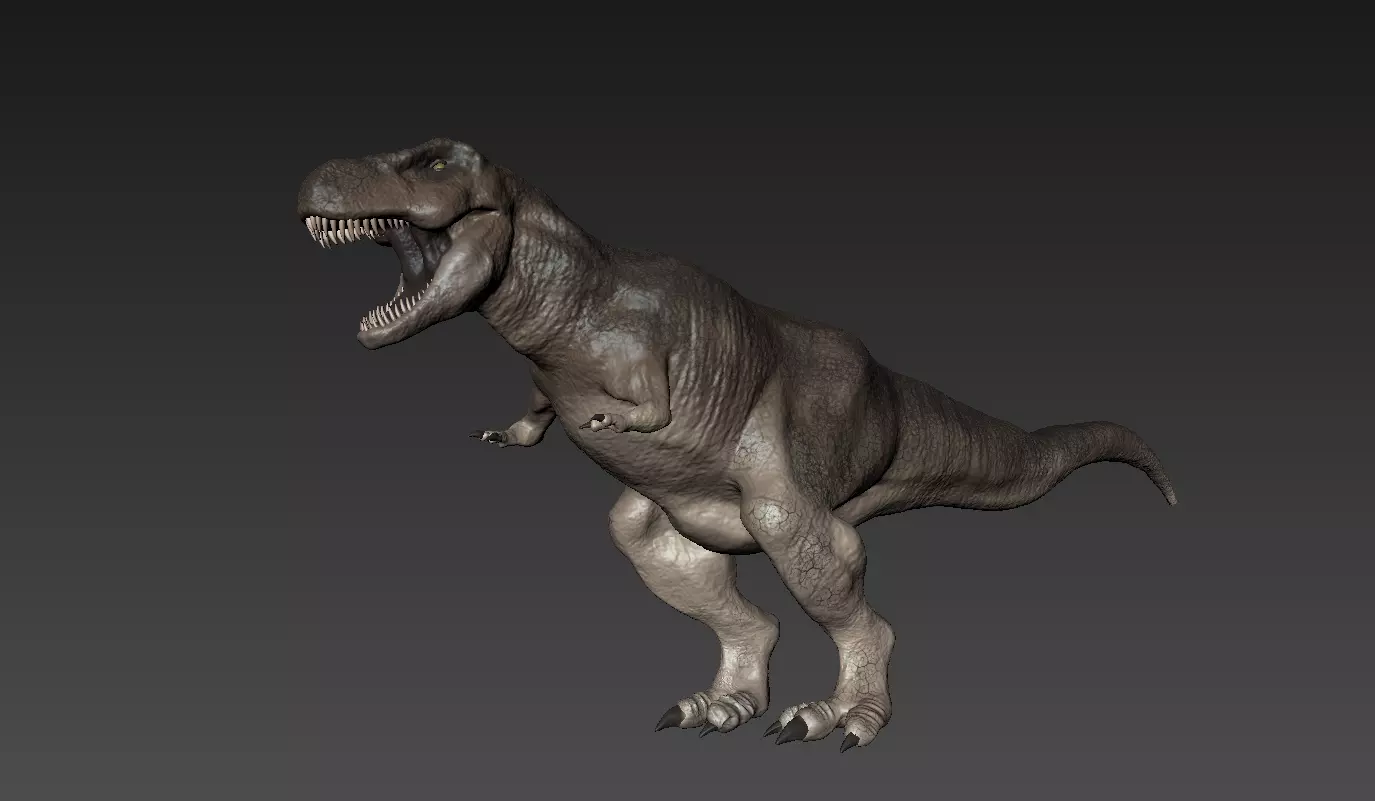
A detailed Tyrannosaurus Rex 3D model created for 3D visualization, animation, game development, prehistoric scenes…
View model →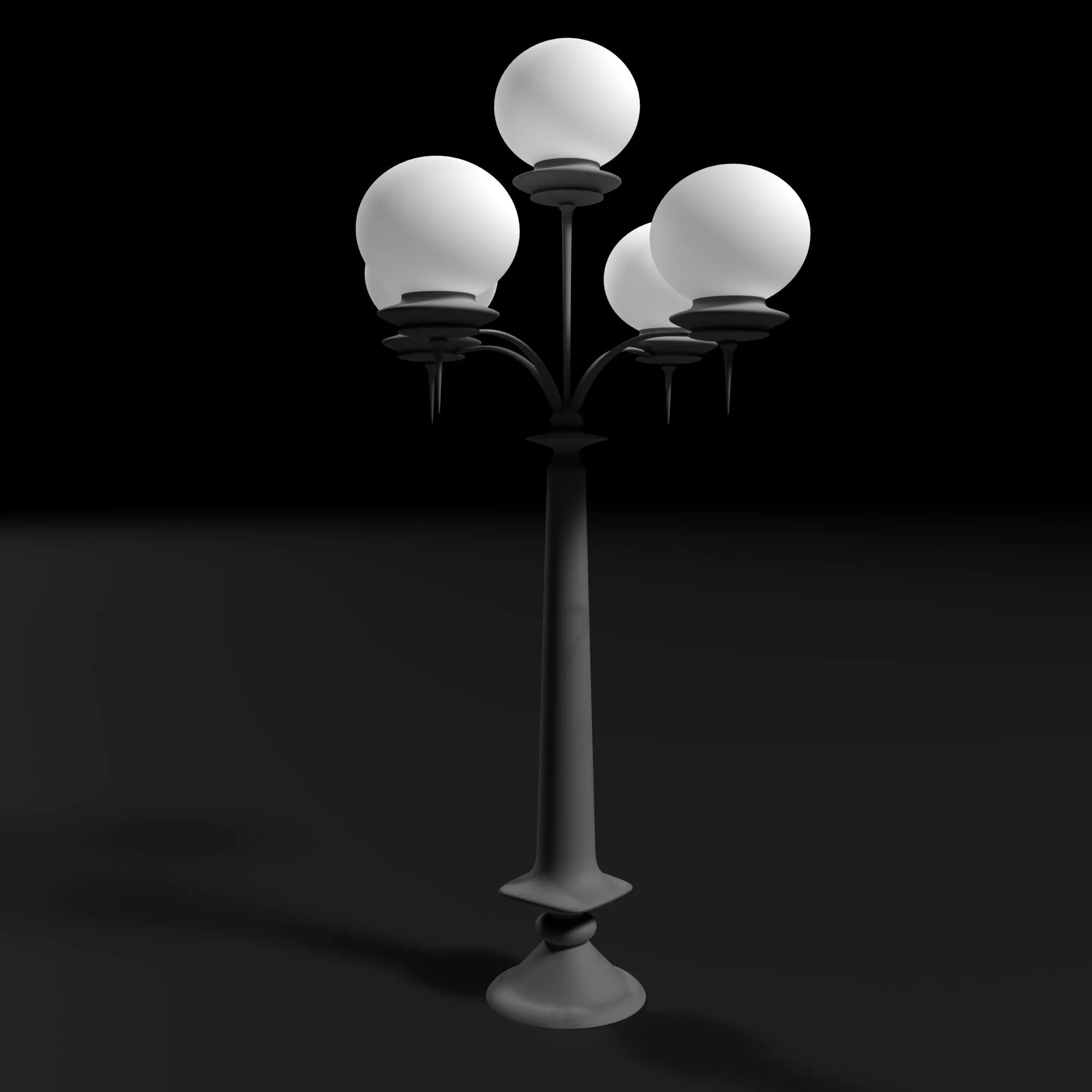
A realistic high-quality 3D street lamp model designed for architectural visualization, exterior rendering, urban environments,…
View model →