
Columns and Fountain Pack – High-Quality and Great Architectural Low-Poly 3D Assets
High-quality low-poly 3D pack featuring architectural columns and decorative fountains, designed for game development, architectural…
View model →3D MODEL
ABOUT THIS MODEL
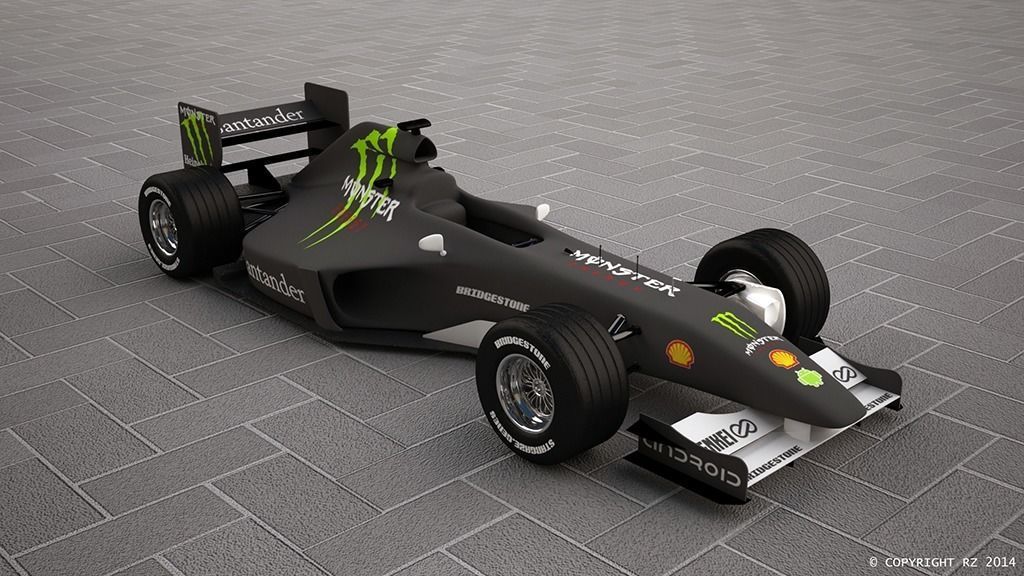
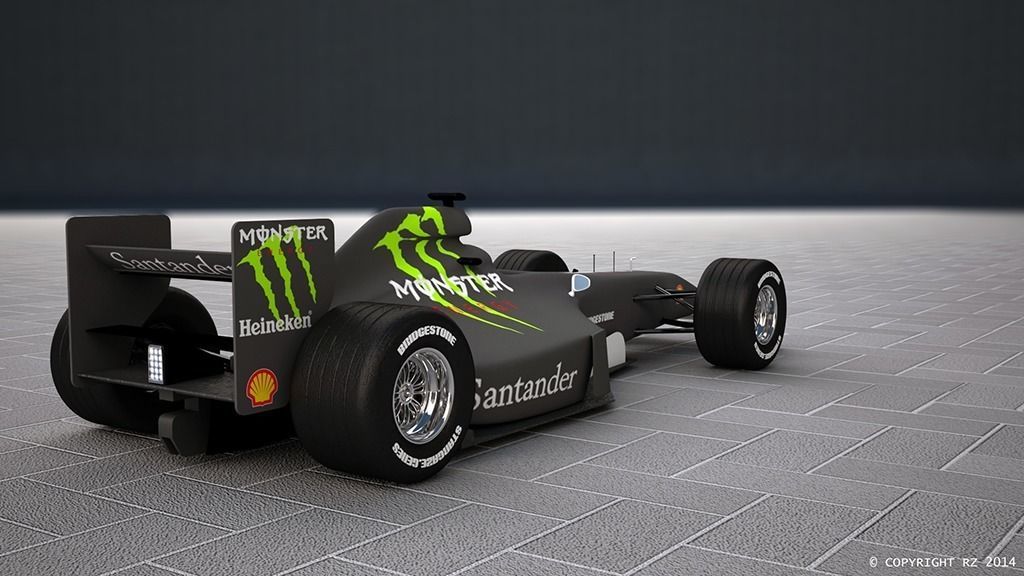
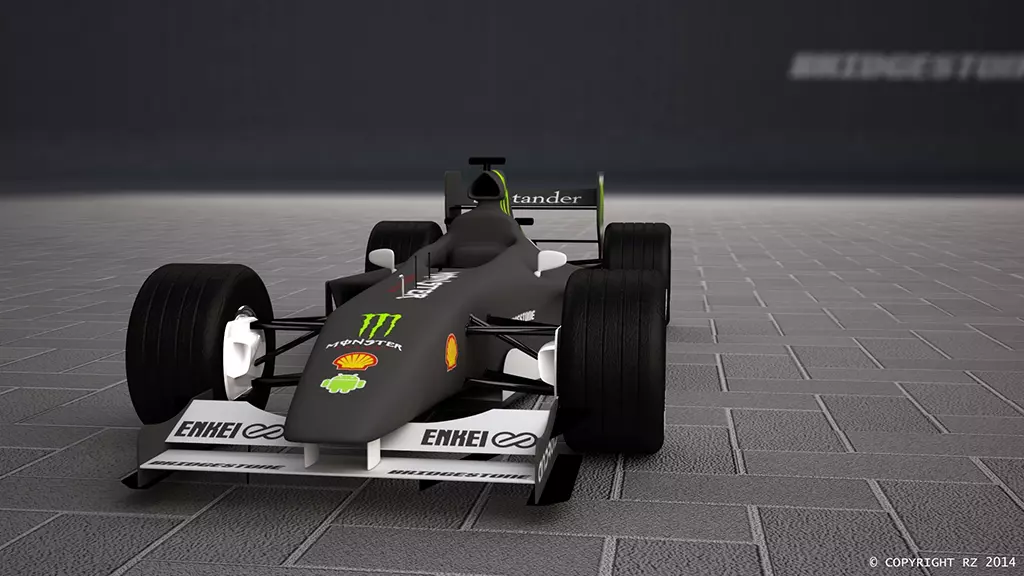
Race Car 3D Model – Low-Poly Racing Asset for Games, Animation & Visualization
Bring speed and motorsport character to your 3D environments with this Race Car 3D Model, a low-poly vehicle asset designed for games, animation, automotive visualization and real-time 3D projects.
A racing car is more than just a vehicle within a digital environment. It can become the central element of an entire scene, provide visual context to a racing circuit, populate a garage or showroom, or add authenticity to an automotive visualization. This low-poly race car 3D model provides a versatile asset that can be incorporated into a broad range of digital projects.
The model can be used in racing games, motorsport environments, race tracks, garages, automotive showcases, cinematic sequences, visualization projects and interactive 3D experiences.
Its low-poly approach makes it particularly relevant to projects where efficient geometry is important, including real-time environments and scenes containing multiple vehicles or complex surroundings.
This Race Car 3D Model is designed as a versatile digital vehicle asset for artists and developers working on automotive and motorsport-related projects.
Low-poly 3D models can be particularly useful when a project requires multiple objects to coexist within the same scene. A racing environment may contain several vehicles alongside track infrastructure, barriers, buildings, signs, spectators and environmental elements.
Using appropriately optimized assets can help artists construct these environments while keeping the scene manageable for their chosen workflow.
The race car can be used as a primary subject or as one element within a larger environment. Depending on the requirements of the project, it can be positioned on a racing circuit, displayed inside a garage, placed in an automotive showroom or incorporated into a cinematic composition.
The race car 3D model is particularly relevant to racing games and other game-development projects involving vehicles.
Racing environments often require a combination of vehicles and environmental assets to create a convincing sense of place. The car can be incorporated into a race track scene alongside roads, barriers, pit lanes, garages, buildings, signs and other motorsport elements.
For game developers and level designers, a racing car can serve as a central visual asset around which a level or scene is constructed. It can also be used as part of a background environment or as one vehicle among several.
The model may also be suitable for projects that are not strictly traditional racing games. Driving simulations, automotive experiences, open-world environments and other vehicle-focused interactive projects can all require recognizable racing vehicles.
Before integrating the model into a game engine, review the available file formats and technical specifications to determine the most appropriate workflow for your project.
A convincing motorsport environment depends on much more than the racing circuit itself.
Pit lanes, garages, grandstands, barriers, signs, service areas, vehicles and other environmental elements contribute to the identity of a racing location.
The Race Car 3D Model can become an important part of this environment. Position it on the track to create an active racing scene, inside a garage to represent a preparation area, or alongside other vehicles to create a busy motorsport setting.
The model can also be combined with architectural assets and environmental props to construct a complete racing environment.
For environment artists, this makes the asset useful not only as a vehicle but also as a component within a broader visual composition.
A race car naturally fits into scenes representing professional or fictional racing circuits.
Use the model on:
A vehicle positioned on a track can immediately communicate the purpose of an environment. Combined with road markings, barriers, signs and other track elements, the car can help establish a clear motorsport atmosphere.
Artists can also experiment with camera angles and composition to create dynamic automotive scenes.
The Race Car 3D Model can also be used in automotive visualization and digital rendering projects.
Vehicle visualization can involve product presentations, promotional imagery, concept scenes, advertising-style compositions or purely artistic renders.
A low-poly racing vehicle can be placed against a simple studio background or incorporated into a more elaborate environment such as a racing circuit, industrial facility or automotive showroom.
For 3D artists, the model provides an existing vehicle asset that can be integrated into a larger composition instead of requiring the vehicle to be modeled from the beginning.
The final appearance of the model will depend on the materials, lighting, rendering engine and scene setup used by the artist.
The model can also contribute to 3D animation and cinematic projects involving vehicles or motorsport.
A racing car can appear in a wide variety of shots, from close-up automotive presentations to larger environmental sequences.
It can be placed within a racing scene, used as part of a background composition or presented as the main subject of a vehicle-focused animation.
For cinematic projects, the car can also be combined with environmental elements such as roads, buildings, barriers, lighting and atmospheric effects.
If animation-specific features such as rigging or animation-ready components are required, verify the available technical information for this particular asset before purchasing.
Real-time 3D environments often require careful consideration of scene complexity.
A racing scene may contain many objects simultaneously, including vehicles, track surfaces, buildings, vegetation, lighting elements and environmental props.
The low-poly race car approach makes this type of asset relevant to workflows where efficient geometry is an important consideration.
It can be used as part of a larger real-time environment while allowing artists to focus their resources on the overall composition and functionality of the scene.
The suitability of any particular model for a real-time application depends on its actual polygon count, textures, materials and file formats. Always consult the technical specifications before integrating it into a production project.
The model can also be used in scenes representing automotive showrooms, garages and workshops.
A racing vehicle displayed inside a showroom can serve as the central object of an automotive visualization. In a garage environment, the same type of asset can contribute to a more functional and believable scene.
Combine the vehicle with workbenches, tools, storage systems, lighting fixtures, floors and architectural elements to create a complete automotive environment.
For games, these types of environments can also provide interesting locations for exploration, customization or narrative scenes.
Environment artists frequently need reusable assets that can be combined to create larger scenes.
The Race Car 3D Model can be treated as one component of a complete automotive environment rather than as an isolated object.
For example, an artist could construct a racing circuit using roads and barriers, then introduce garages and pit buildings before adding vehicles and other environmental details.
Alternatively, the model could be placed inside an urban environment, a showroom or another contemporary scene where a racing vehicle provides a distinctive visual element.
This flexibility makes the asset relevant to different types of environment design.
A racing car can also be used to establish movement, speed and action within a cinematic composition.
Even in a static render, the shape and positioning of a race car can create a sense of motion and energy. In an animation, the vehicle can become the visual focus of a sequence involving a track, urban road or other environment.
Artists can experiment with perspective, camera placement, lighting and surrounding elements to produce different visual results.
For digital artists, the model can therefore be useful for both technical visualization and creative image-making.
The Race Car 3D Model can be incorporated into digital art and 3D rendering projects beyond traditional game development.
Artists can use it to create automotive illustrations, concept scenes, promotional imagery, cinematic renders or experimental compositions.
The vehicle can be presented against a minimal background or integrated into a detailed environment.
Its recognizable motorsport identity also makes it suitable for scenes where the objective is to communicate speed, competition, technology or automotive culture.
This low-poly race car 3D model can be useful for:
The range of possible applications makes the model useful to game developers, 3D artists, environment designers, animators and visualization professionals.
The Race Car 3D Model can become the foundation for a larger motorsport environment.
A complete scene could include a racing circuit, starting grid, pit lane, garages, spectator areas, barriers, signage and additional vehicles.
Smaller environmental details can then be added to establish scale and realism.
For a cinematic project, the same model could instead be surrounded by a more limited environment, allowing the vehicle to remain the primary visual focus.
The flexibility of the asset means that the surrounding environment can be adapted according to the project’s artistic direction.
For game developers, vehicle assets can play an important role in defining the identity of a game world.
A racing vehicle can be used as a playable asset where the project supports the necessary vehicle mechanics, or it can simply function as a visual prop within a larger environment.
In a contemporary open-world game, for example, a race car could appear inside a garage, parked at a motorsport facility or displayed at an automotive event.
In a dedicated racing game, it could become part of a circuit-based environment.
The exact implementation will depend on the project’s technical requirements and the capabilities of the asset files.
Technical specifications for this Race Car 3D Model should be reviewed carefully before purchasing.
Important information can include available file formats, polygon count, textures, dimensions, software compatibility and licensing conditions.
These specifications are particularly relevant when the model is intended for game development or real-time applications.
If the model is being incorporated into a specific software package or game engine, verify compatibility with your intended workflow before purchasing.
The available technical information on the CGTrader product page should be considered the reference for the current version of the asset.
The Race Car 3D Model combines a recognizable motorsport subject with the practical flexibility of a low-poly vehicle asset.
It can be used in racing games, automotive visualization, animation, cinematic scenes, real-time environments and digital artwork.
Use it on a racing circuit, in a garage, inside an automotive showroom or as part of a larger environment. Combine it with additional vehicles, buildings, track infrastructure and environmental props to create a complete scene.
For artists working across multiple types of projects, this versatility can make a race car a useful addition to a broader 3D asset library.
Looking for a low-poly race car 3D model for your next game, animation, visualization or automotive project?
This versatile vehicle asset can help bring motorsport character to racing tracks, garages, showrooms, game environments and cinematic scenes.
Whether you are creating a racing game, motorsport environment, automotive visualization, 3D animation, digital artwork or real-time 3D scene, the Race Car 3D Model provides a practical vehicle asset for your workflow.
Before purchasing, review the complete technical specifications, available file formats, software compatibility and licensing information to make sure the model meets your project requirements.
Visit the model page on CGTrader to view the complete asset, preview images, available formats, pricing, licensing information and downloadable files.
View the Race Car 3D Model on CGTrader.
EXPLORE MORE
High-quality low-poly 3D pack featuring architectural columns and decorative fountains, designed for game development, architectural…
View model →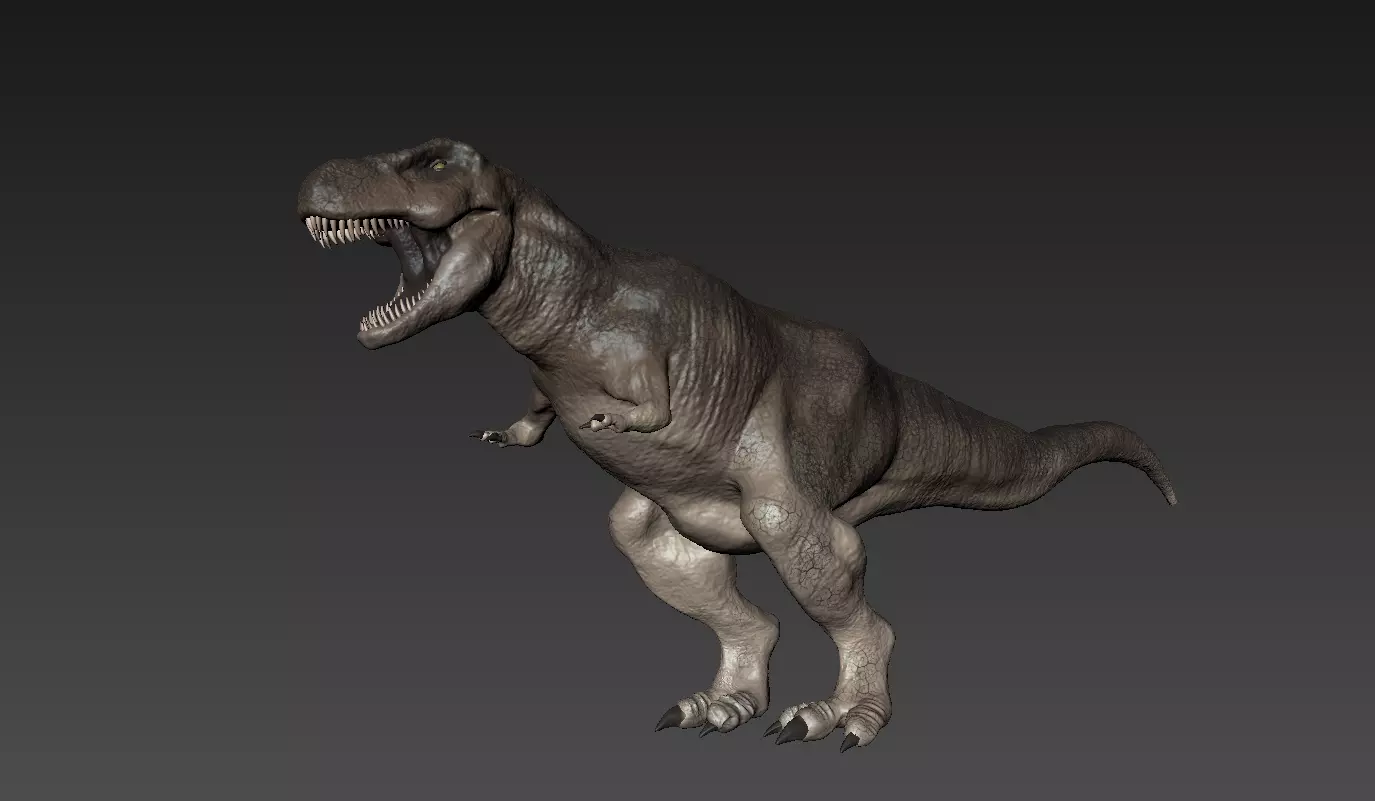
A detailed Tyrannosaurus Rex 3D model created for 3D visualization, animation, game development, prehistoric scenes…
View model →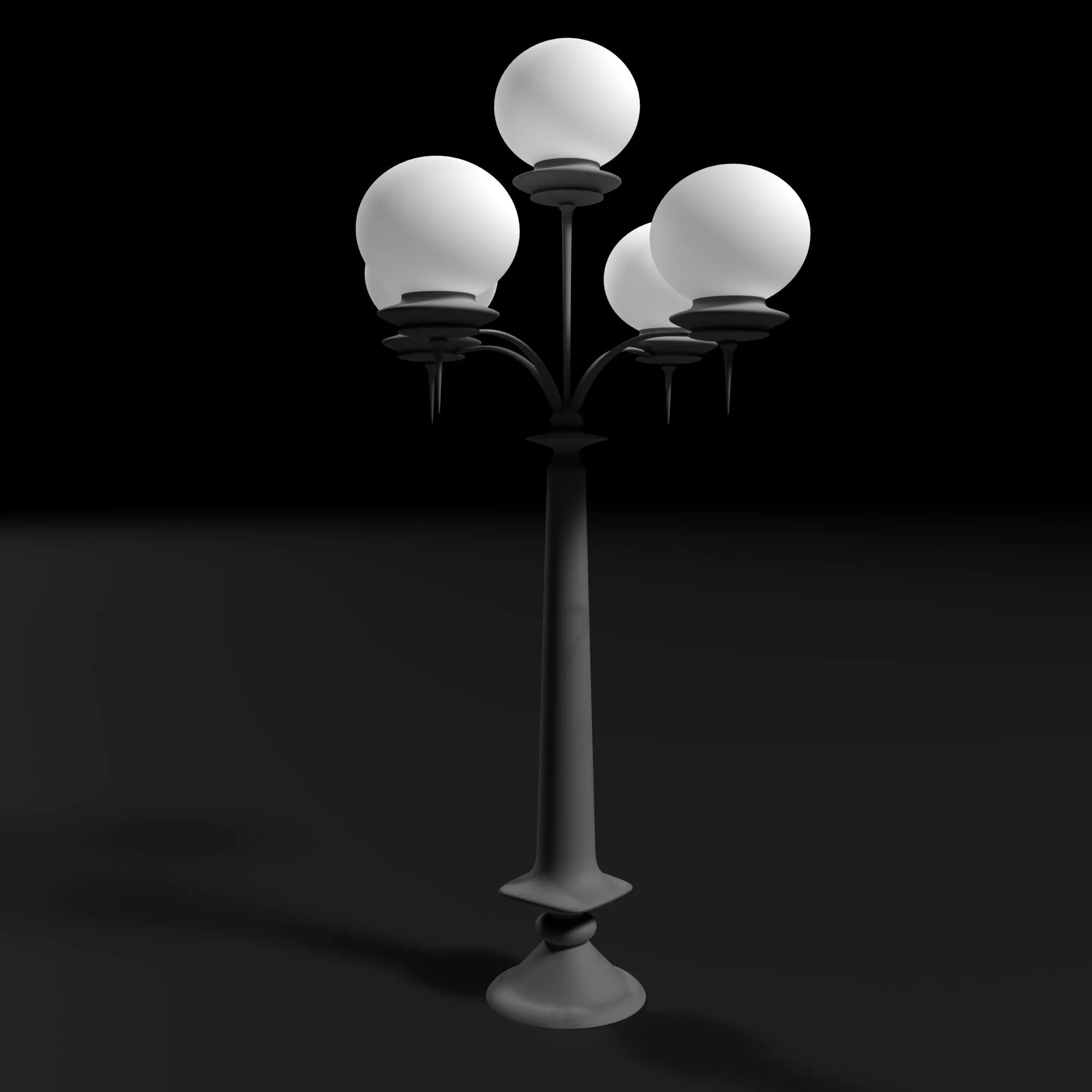
A realistic high-quality 3D street lamp model designed for architectural visualization, exterior rendering, urban environments,…
View model →